Bonus Allocation Strategies in Emerging Markets: Connections to Regulatory Compliance
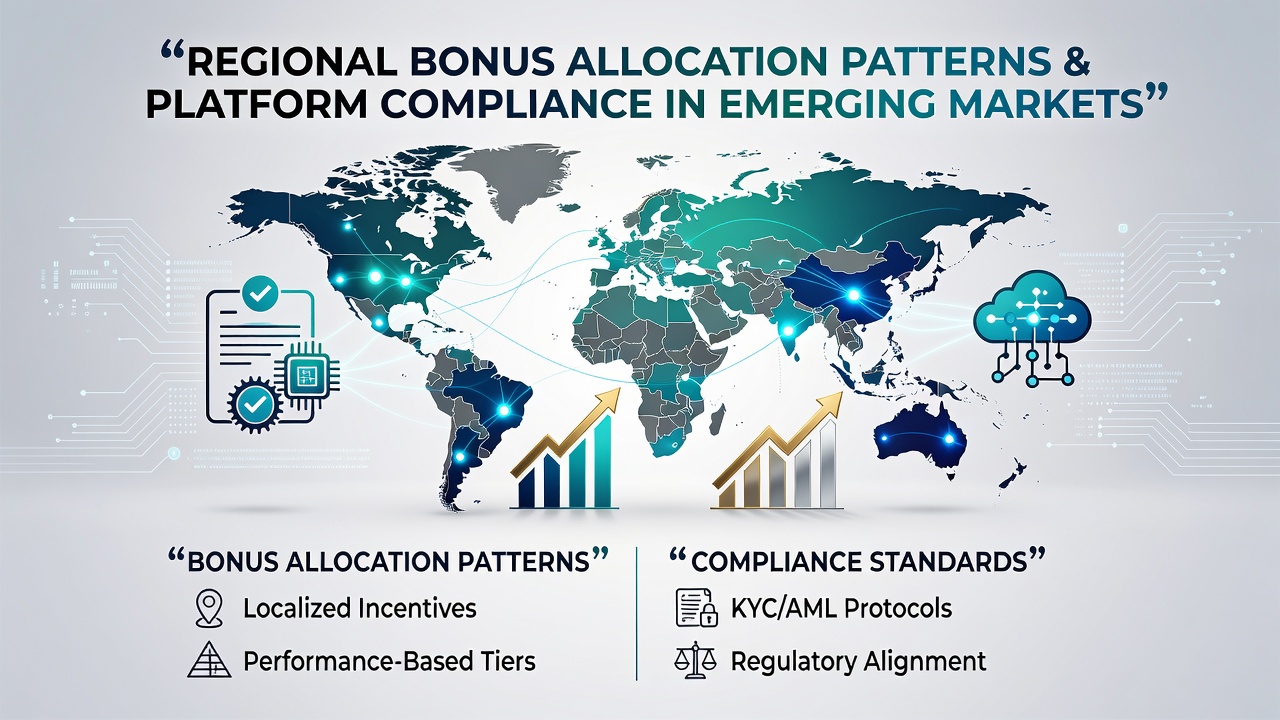
Regional bonus allocation patterns in emerging markets have developed distinct structures that tie directly to platform compliance standards, and data collected through mid-2026 shows these connections shaping how operators distribute incentives across digital gaming environments. Platforms operating in Southeast Asia and Latin America adjust bonus values and eligibility criteria based on local regulatory requirements, while aggregated figures from industry reports indicate that compliance-driven limits often determine maximum payout caps and verification thresholds.
Allocation Patterns Across Key Regions
Operators in Brazil and India have implemented tiered bonus systems where welcome packages scale according to user verification levels mandated by national gaming frameworks, and studies from academic institutions reveal that these tiers correlate with reduced dispute rates in markets where identity checks occur before funds release. In contrast, platforms serving Southeast Asian jurisdictions apply location-specific multipliers that reflect both player activity data and adherence to anti-money laundering protocols enforced by regional authorities.
What's interesting is how these patterns shift when new compliance updates roll out. July 2026 saw several operators in Latin America revise their free spin distributions to align with updated reporting standards from financial oversight bodies, resulting in shorter expiration windows for promotional credits across multiple platforms. Those adjustments followed data reviews showing higher retention when bonuses matched verified play histories rather than broad promotional blasts.
Compliance Standards Driving Distribution Rules
Platform compliance standards in emerging markets frequently require documented proof of responsible gaming measures before bonus activation, and figures from regulatory filings demonstrate that operators incorporating real-time monitoring tools receive approval for larger incentive pools. Researchers tracking these developments note that markets with stricter player protection rules tend to favor smaller, more frequent bonus releases over large upfront offers because the former structure supports ongoing compliance audits.
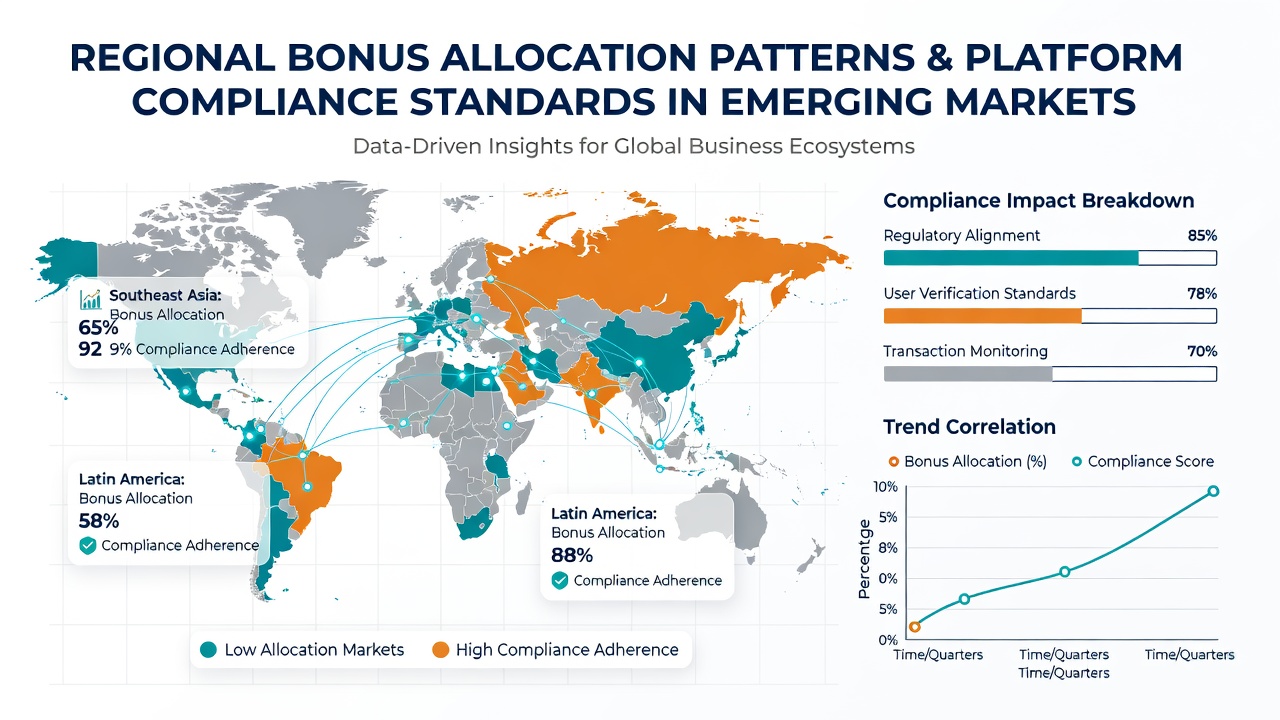
One study revealed that platforms integrating automated compliance checks into their bonus engines achieved faster regulatory approvals in multiple jurisdictions, while those relying on manual reviews faced delays that affected seasonal promotion timing. Data indicates these operational differences create measurable variations in how quickly new users receive access to matched deposit offers or loyalty rewards.
Case Examples from Developing Economies
Take operators expanding into African markets where national lotteries and gaming boards set clear guidelines on promotional transparency. Those platforms have introduced segmented bonus allocations that separate new player incentives from ongoing activity rewards, a structure that aligns with local requirements for clear disclosure of terms. Similar approaches appear in Eastern European emerging economies where platforms link bonus eligibility to documented compliance with cross-border transaction rules.
Observers note that when platforms publish updated compliance certifications, user acquisition rates often stabilize because trust signals become more visible in promotional materials. Industry associations tracking these trends across multiple regions report that standardized reporting formats help operators avoid penalties while maintaining competitive bonus offerings.
According to research published by the OECD Centre for Tax Policy and Administration, coordinated data sharing among emerging market regulators has improved oversight of bonus-related financial flows, which in turn influences how platforms structure regional campaigns. Another source, a report from the Singapore Pools regulatory framework documentation, highlights how compliance benchmarks established in more mature markets serve as reference points for operators entering newer territories.
Impact on Platform Operations and User Patterns
Evidence suggests that when compliance standards tighten around bonus valuation algorithms, platforms respond by refining their personalization models to emphasize verified play data over broad demographic targeting. This shift appears in retention metrics collected through 2026, where users who received compliance-aligned bonuses showed steadier engagement compared with those offered less structured promotions.
Platforms that maintain transparent audit trails for their bonus allocation decisions often secure quicker market entry approvals, and aggregated statistics from multiple operators confirm this pattern holds across diverse regulatory environments. The reality is that these ties between allocation patterns and compliance create operational efficiencies that benefit both platforms and regulatory bodies monitoring emerging markets.
Conclusion
Regional bonus allocation continues to evolve alongside platform compliance standards in emerging markets, with data through July 2026 demonstrating clear linkages between regulatory requirements and incentive structures. Operators adapting their systems to meet these standards report smoother approval processes and more consistent user engagement across jurisdictions. As frameworks develop further, the patterns observed so far indicate that compliance integration will remain central to how digital gaming platforms distribute regional bonuses.