Deciphering Retention Signals Embedded in Progressive Bonus Structures Across Mobile Gaming Ecosystems
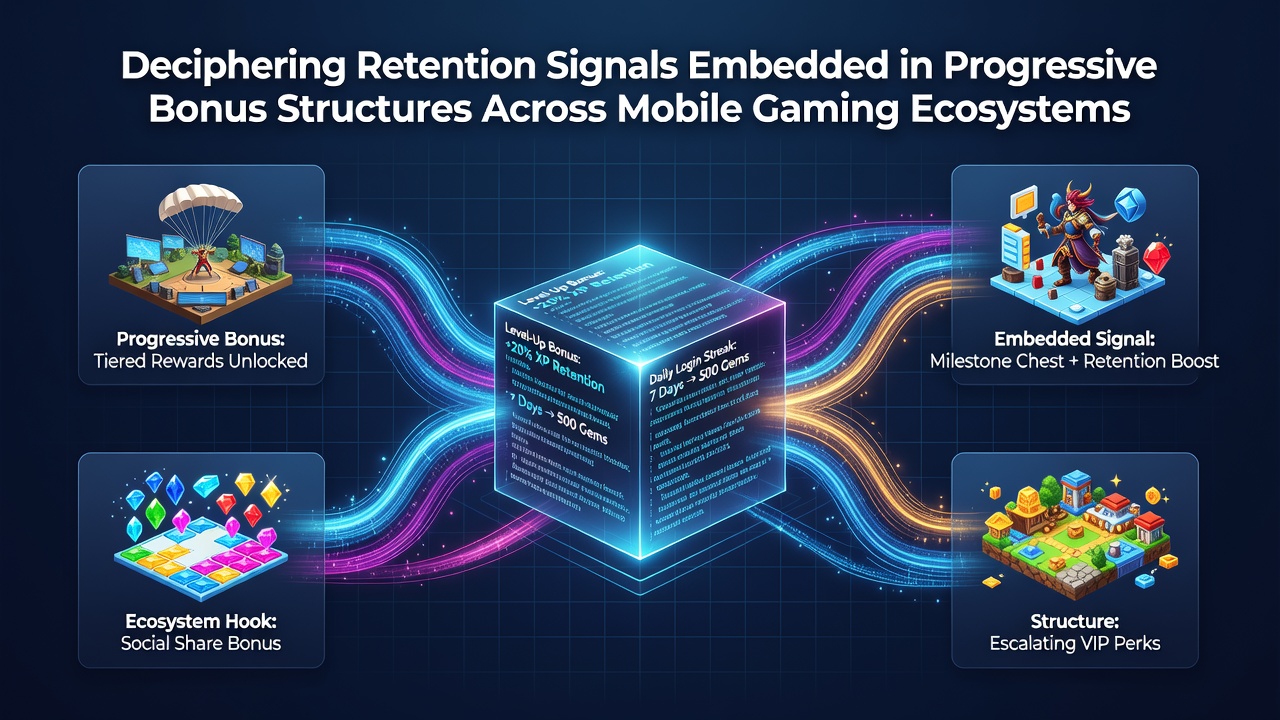
Progressive bonus structures in mobile gaming ecosystems layer rewards that increase with sustained player engagement, and operators embed retention signals within these systems to monitor behavioral patterns over extended periods. These mechanisms typically begin with initial deposits or activity thresholds then scale through multiple stages that unlock additional value, while data collection occurs at each escalation point to identify engagement trends. Researchers tracking mobile platforms note that such designs allow for granular analysis of session frequency, deposit consistency, and feature interaction rates without requiring separate tracking tools.
Core Components of Layered Incentive Systems
Mobile gaming applications structure progressive bonuses around sequential milestones that reward repeated logins, wager volumes, and social features, and this approach creates clear data points for retention evaluation. Each tier often incorporates time-bound requirements combined with activity multipliers, which means operators can measure how quickly players advance through levels and where drop-off occurs. Figures from platform analytics reveal that players who reach the second or third tier within the first week demonstrate higher continuation rates compared to those who stall early, and this pattern holds across various game genres including slots, table games, and casual titles.
Retention signals emerge through metrics such as return visit intervals, bonus redemption speed, and cross-feature exploration, while algorithms adjust future offers based on these inputs. Platforms collect this information in real time, which enables dynamic modifications to reward pacing without manual intervention. Those who study digital gaming ecosystems observe that these embedded signals provide more predictive value than static demographic data alone.
Regional Data Patterns and July 2026 Developments
Across North American and European mobile markets, aggregated reports indicate that progressive structures correlate with extended user lifecycles when milestones align with natural play rhythms, yet variations appear based on game category and regional preferences. In July 2026 several major operators introduced refinements to their tier progression speeds following internal reviews of player progression data, and these adjustments focused on smoothing early-stage requirements to reduce initial churn. Canadian regulatory filings and academic summaries from institutions such as University of Calgary research groups document similar patterns in localized app ecosystems, where bonus layering influences session length and deposit frequency.
Operators further differentiate signals by tracking whether players engage with bonus features through direct gameplay or through secondary mechanics like leaderboards and challenges. This distinction helps isolate active retention from passive accumulation, and platforms use the resulting insights to calibrate reward density. Data indicates that users who interact with multiple bonus elements within a single session show stronger long-term retention compared to those who treat bonuses as isolated events.
Algorithmic Interpretation of Engagement Metrics
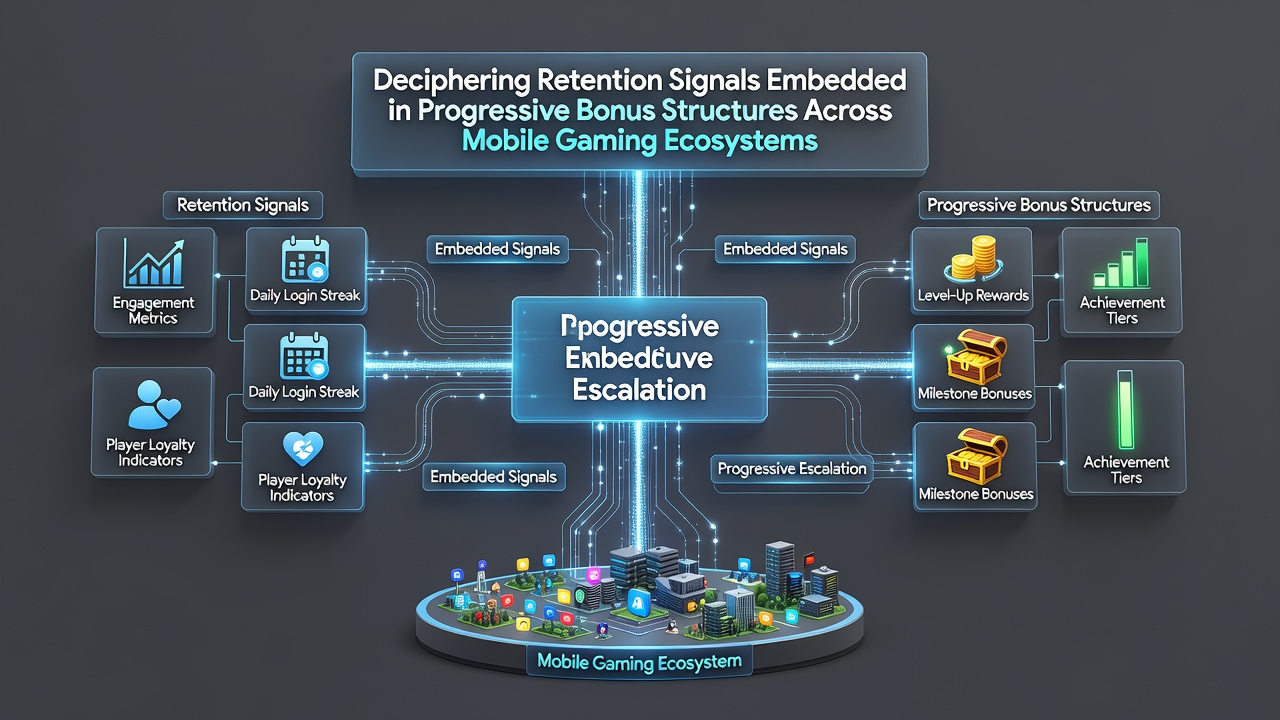
Algorithms process retention signals by weighting factors such as time between bonus claims, average stake per session, and completion rates of multi-stage challenges, and these calculations feed into personalized offer generation. Platforms apply machine learning models trained on historical cohort behavior to forecast when a player might disengage, then trigger targeted tier accelerations or additional incentives. Observers note that this feedback loop operates continuously, which allows systems to respond within hours rather than days to shifting activity levels.
Take one documented case where a mid-sized operator adjusted its third-tier unlock condition after reviewing six months of progression data, and the change produced measurable lifts in week-three retention across test cohorts. Such refinements demonstrate how signals embedded in bonus structures translate into operational decisions without external prompting. Industry associations including the American Gaming Association compile related benchmarks that highlight consistent correlations between tier completion speed and overall account lifespan.
Cross-Platform Variations and Measurement Challenges
Mobile gaming spans multiple operating systems and app stores, each presenting distinct constraints on data visibility and update timing, yet progressive bonus frameworks adapt by standardizing core signal categories while allowing local calibration. Developers track retention through unified identifiers that persist across device changes, and this continuity supports longitudinal analysis of bonus-driven behavior. Patterns emerge when comparing iOS and Android cohorts, where differences in notification response rates affect how quickly players advance through early tiers.
Measurement challenges arise when players interact with bonuses across multiple titles from the same publisher, since cross-game progression can obscure single-app signals. Operators address this by maintaining separate yet linked tracking layers that preserve both game-specific and ecosystem-wide views. Researchers examining these setups find that integrated signals improve accuracy in predicting multi-title retention compared to isolated app metrics.
Conclusion
Progressive bonus structures across mobile gaming ecosystems function as both reward delivery systems and retention monitoring frameworks, and the signals they generate provide operators with actionable behavioral intelligence. Data collected at each tier informs adjustments that aim to sustain engagement through calibrated pacing and personalization. As platforms continue refining these mechanisms in 2026 and beyond, the embedded signals remain central to understanding long-term user patterns without relying on external surveys or delayed reporting.