Decoding Expiration Timelines in Virtual Gaming Incentive Programs and Their Influence on Retention Patterns
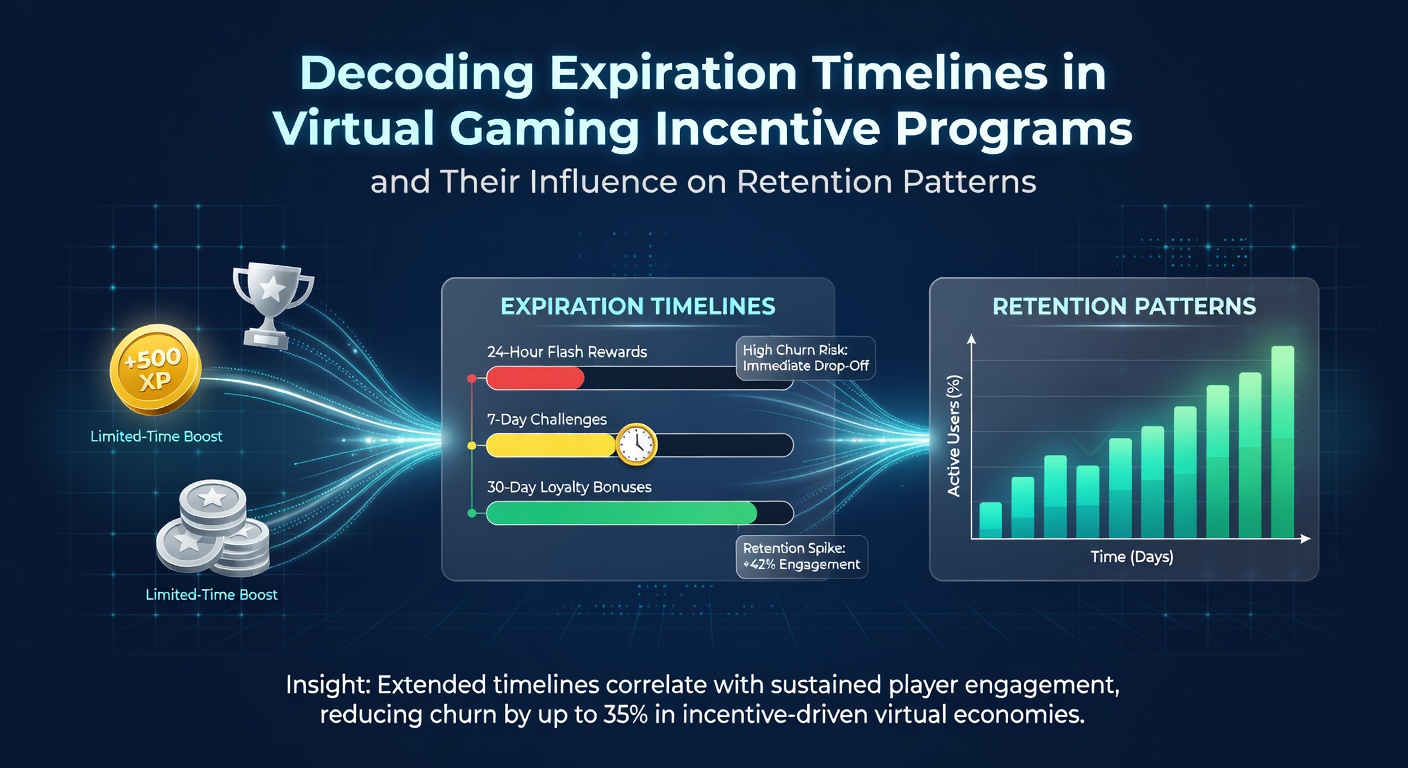
Virtual gaming platforms structure incentive programs around precise expiration timelines that shape how players engage over weeks and months, and data from multiple markets shows these deadlines directly affect login frequency and deposit behavior. Researchers tracking user activity across North American and European operators have documented consistent patterns where shorter expiration windows drive immediate redemptions while longer ones correlate with sustained but lower-intensity participation. Operators adjust these periods based on player segmentation models that factor in historical wagering volume and session duration, creating a dynamic system that responds to observed retention metrics rather than fixed schedules.
Core Mechanics Behind Expiration Structures
Expiration timelines typically range from 24 hours for flash promotions to 30 days for standard welcome packages, and platform analytics reveal that mid-range windows of seven to fourteen days often produce the highest completion rates across casual and regular player groups. Industry reports indicate that players receive automated reminders at set intervals, such as 48 hours before cutoff, which studies link to a measurable uptick in activity during those final periods. Those who study these systems note that bonus funds or free spins locked behind expiration rules reset player priorities, pushing them to allocate time and budget within the available frame rather than spreading engagement evenly across the month.
Operators integrate these timelines into loyalty frameworks where accumulated points or rewards carry their own decay schedules, and evidence from operational dashboards demonstrates that overlapping deadlines encourage cross-promotion usage. For instance, a deposit match bonus expiring in ten days might coincide with a tournament entry window that closes in five, creating layered urgency that data analysts track through heat maps of peak activity hours. Platforms in regulated jurisdictions maintain audit trails of these timelines to comply with consumer protection standards, ensuring transparency in how deadlines are communicated through in-app notifications and email summaries.
Observed Effects on Player Retention Metrics
Retention data collected by operators shows that incentives with expiration periods under seven days generate strong short-term spikes in daily active users, yet they also produce higher churn rates once the deadline passes if players feel the pace was too demanding. In contrast, timelines extending beyond twenty-one days tend to support steadier retention curves because they allow players to integrate rewards into regular play routines without immediate pressure. Analysts examining cohort behavior across multiple quarters have found that players exposed to graduated expiration structures, where deadlines extend based on continued activity, demonstrate longer lifetime engagement compared to those facing rigid cutoffs.
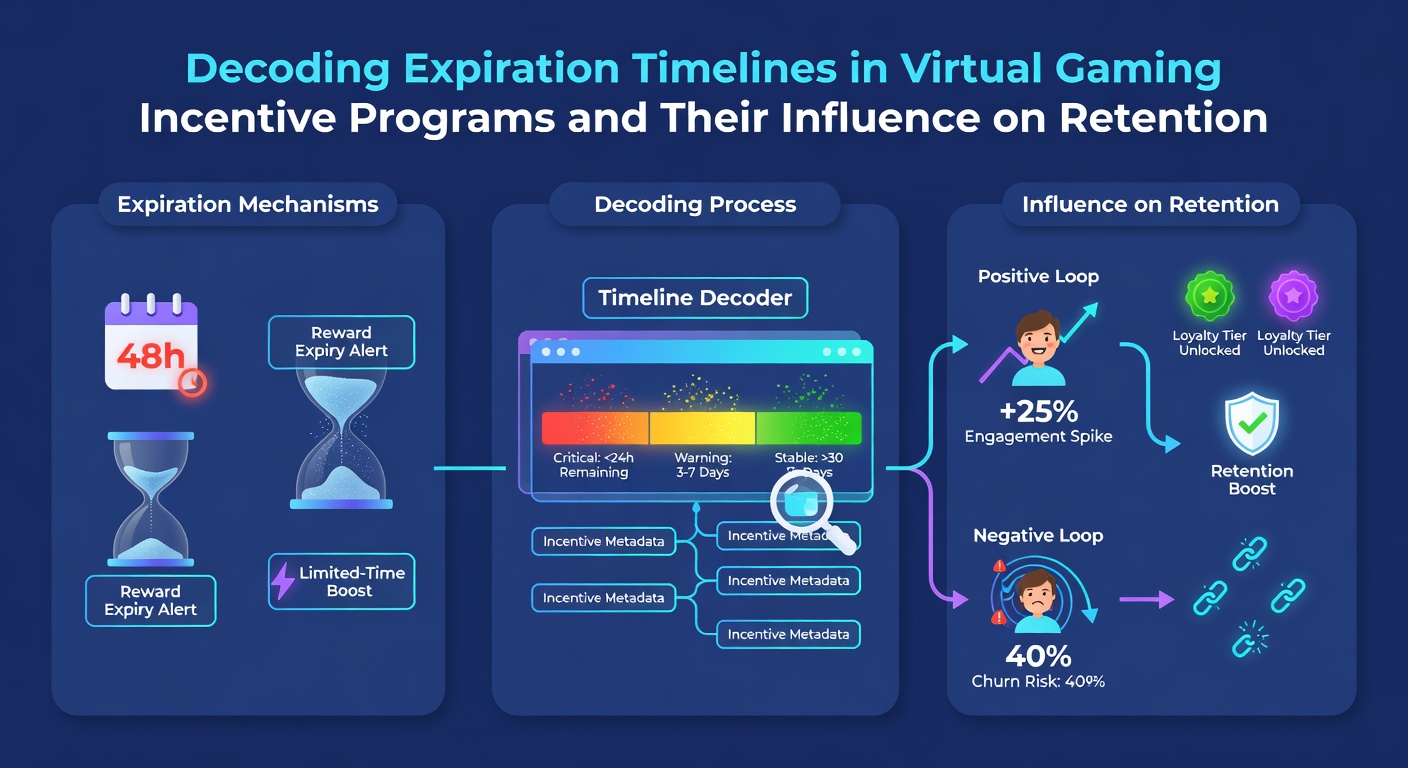
What's interesting is how regional preferences influence these outcomes, with North American markets showing stronger responses to mid-length expirations while Asia-Pacific operators report success with shorter, high-frequency cycles tied to mobile push alerts. A review of performance indicators from the Canadian Gaming Association highlights that platforms adjusting expiration windows seasonally achieve more balanced retention across demographic segments. Players in these adjusted programs log in at more consistent intervals because the deadlines align with personal schedules rather than clashing with them.
Adjustments Emerging in Mid-2026
As of May 2026, several major platforms have introduced adaptive expiration systems that modify deadlines in real time based on individual engagement signals, and early figures from pilot programs indicate these changes reduce voluntary opt-outs by noticeable margins. Regulators in multiple jurisdictions now require clearer disclosure of how these dynamic timelines operate, which has prompted operators to refine their communication protocols. Observers tracking industry shifts note that integration with loyalty tiers allows higher-status players to receive extended windows, creating retention incentives that scale with activity levels without altering base program rules.
Research compiled by academic groups at institutions like the University of Nevada Reno's gaming studies department continues to examine these evolving structures, and their datasets reveal connections between expiration flexibility and reduced problem gambling markers in controlled environments. Platforms that share anonymized timeline performance data with these researchers contribute to broader understanding of how deadlines interact with player psychology across different game types. The result is a growing body of evidence that expiration mechanics function as retention levers when calibrated against actual usage patterns rather than arbitrary marketing goals.
Conclusion
Expiration timelines in virtual gaming incentive programs operate as measurable variables that influence retention through predictable behavioral responses, and ongoing data collection from operators worldwide continues to refine how these periods are set and adjusted. Platforms that align deadlines with player habits and regional trends maintain steadier engagement metrics, while those that ignore these patterns encounter higher dropout rates once initial promotions conclude. Continued analysis through 2026 and beyond will likely expand the toolkit available to operators seeking to balance incentive appeal with sustainable retention outcomes.