Demographic Shifts Driving Bonus Type Selections in Worldwide Digital Casino Environments
Market analyses from multiple international operators show that age, location, and other demographic markers correlate with distinct preferences for bonus structures in online casino environments, and these patterns emerge consistently when aggregated data from 2025 through July 2026 gets examined across platforms serving Europe, North America, Asia-Pacific, and Latin America.
Age-Based Patterns in Bonus Selection
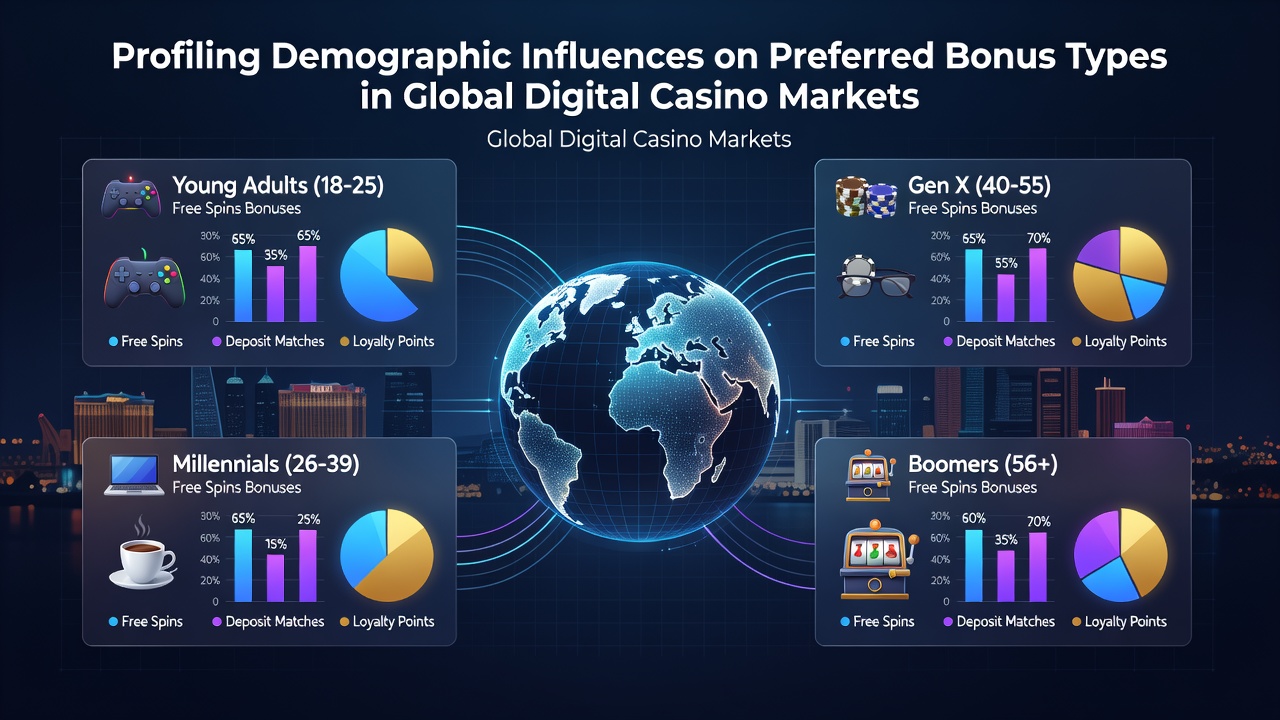
Younger players between 21 and 35 tend to select free spin packages and multi-tier welcome offers more frequently than other groups, while data from platform analytics indicates that individuals over 45 gravitate toward cashback and loyalty rebates that provide steadier returns over extended periods. Researchers at several academic institutions tracking these trends note that the difference stems from play frequency and session length rather than any inherent preference alone, and operators adjust their promotional calendars accordingly to match these observed behaviors in real time.
One study covering platforms in Canada and Australia found that players aged 25 to 34 redeemed free spin bonuses at rates nearly double those of the 50-plus cohort during the first half of 2026, whereas the older segment showed stronger engagement with reload bonuses tied to weekly deposits.
Regional Influences on Preferred Incentives
Players in European markets often favor deposit-match structures combined with wager-free elements, according to reports compiled by industry trade groups monitoring compliance and uptake. In contrast, data from Latin American operators reveals higher selection rates for no-deposit bonuses among new registrants, particularly in markets where regulatory frameworks permit such offers without strict deposit requirements. Asia-Pacific regions demonstrate elevated interest in hybrid packages that blend cashback with tournament entries, and these variations align with local economic conditions and payment method availability tracked through 2026.
Figures released by the European Gaming and Betting Association highlight that conversion rates for bonus types shift measurably when operators segment audiences by country-level demographics, leading platforms to refine targeting algorithms that account for currency fluctuations and tax implications in each jurisdiction.

Gender and Behavioral Correlations
Platform records indicate that female players across several major markets select loyalty program bonuses and personalized cashback offers at higher rates than male counterparts, who more frequently opt for high-volatility free spin bundles. Observers tracking retention metrics note that these patterns hold steady when controlling for average bet size and game category preferences, suggesting demographic factors operate independently of pure spend levels in many cases.
Industry reports from North American operators active through July 2026 show that segmented campaigns based on gender and age combinations produce measurable lifts in bonus redemption without increasing overall promotional spend, and similar approaches appear in Australian market data released by state-level regulatory bodies.
Income Levels and Offer Complexity
Higher-income brackets demonstrate preference for exclusive tiered rewards and invitation-only promotions that emphasize prestige over immediate monetary value, while mid-range earners lean toward straightforward deposit matches with transparent terms. Aggregated figures from global operators reveal that income proxies derived from payment method choices and deposit frequency help platforms predict which bonus formats will see strongest uptake in each segment.
Research institutions examining player journey data across multiple continents confirm that these income-related patterns remain consistent even as overall market volumes fluctuate, allowing operators to allocate marketing resources more precisely during peak promotional periods in 2026.
Implications for Platform Strategy
Operators increasingly rely on demographic profiling to calibrate bonus portfolios, and evidence from compliance reports shows this approach supports both player retention and regulatory adherence across jurisdictions. As markets evolve through the second half of 2026, continued tracking of these influences helps platforms maintain alignment between offered incentives and documented player behaviors without introducing unnecessary complexity into promotional structures.
Conclusion
Comprehensive reviews of demographic data across global digital casino markets demonstrate clear correlations between player characteristics and bonus type preferences, with patterns holding across age, region, gender, and income indicators through mid-2026. Platforms that incorporate these insights into their operational frameworks record more efficient allocation of promotional resources while meeting varied regulatory expectations in different territories.