Inside the Algorithms: How Platforms Calculate Personalized Incentive Values Based on Play History
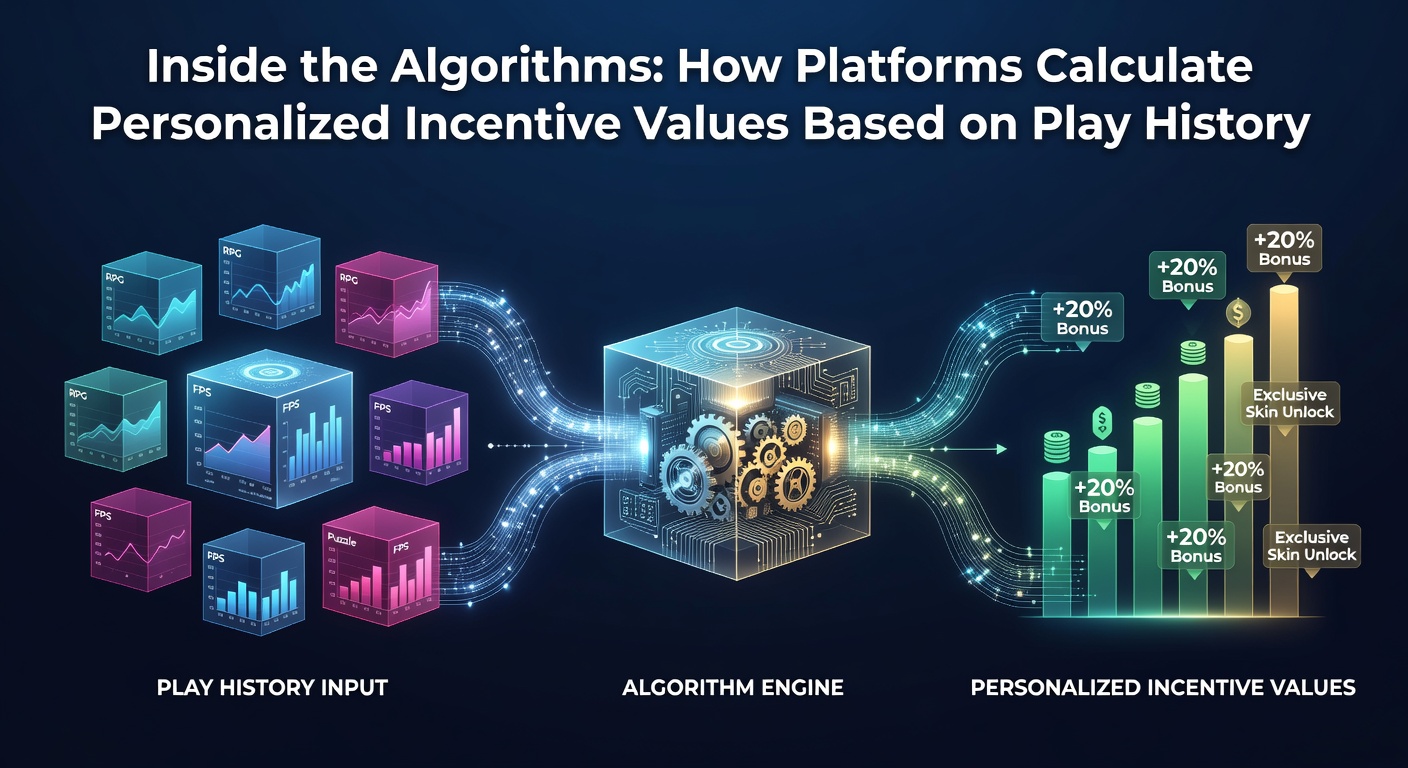
Digital gaming platforms process vast datasets from player activity to generate individualized incentive values, relying on machine learning systems that evaluate metrics such as session frequency, wager amounts, game preferences, and retention signals accumulated across months or years of engagement. These calculations determine the scale and type of offers extended to each account, adjusting dynamically as new data streams in from ongoing play patterns. Observers note that the underlying models integrate both historical aggregates and real-time inputs to forecast future behavior with measurable precision.
Data Inputs and Collection Processes
Play history forms the core dataset, encompassing variables like total hands played in table games, spin counts on slots, average bet sizes per session, and ratios of wins to losses recorded over defined periods. Platforms aggregate this information through backend systems that log every transaction timestamped to the second, then feed it into centralized databases for analysis. Research indicates that additional layers include device identifiers, geographic login locations, and time-of-day activity clusters, all cross-referenced against account age and deposit velocity to build comprehensive profiles without manual intervention.
Core Algorithmic Frameworks
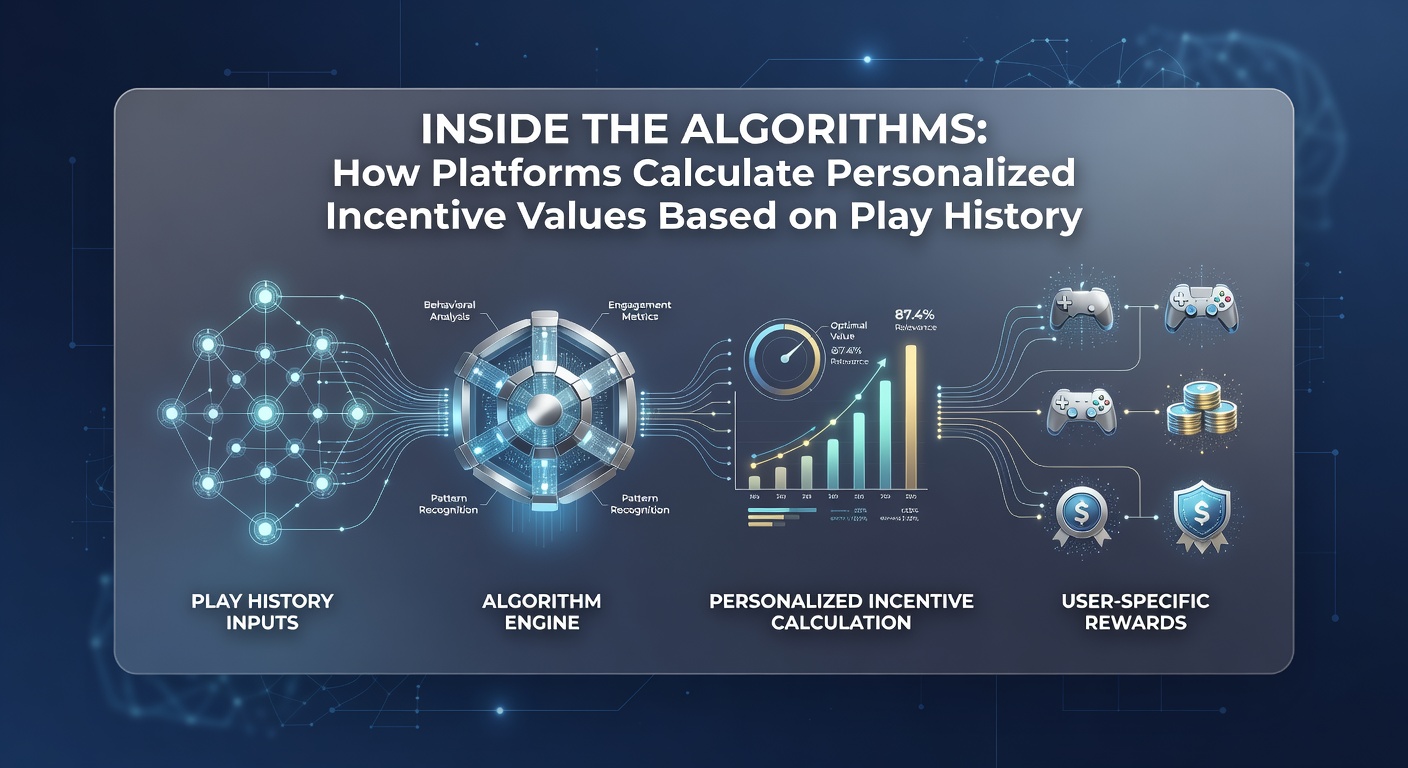
Machine learning models, often based on regression trees or neural networks, weigh these inputs to output incentive values expressed as bonus percentages, free spin allotments, or cashback multipliers tailored to predicted lifetime value. Engineers at major operators train these systems on anonymized historical cohorts, allowing the algorithms to identify clusters where similar play patterns correlate with specific retention outcomes. Data shows that reinforcement learning components refine outputs iteratively, updating values after each completed session while maintaining compliance boundaries set by internal risk parameters.
Key Variables Driving Personalization
Betting consistency ranks high among weighted factors, with platforms assigning higher incentive tiers to accounts demonstrating steady volume across multiple game categories rather than sporadic spikes. Session duration and game volatility preferences also factor in, as models detect shifts toward lower-volatility titles and adjust offers accordingly to sustain engagement. Those who've examined platform documentation find that churn prediction scores derived from declining activity trends directly influence the urgency and generosity of incentives pushed to at-risk accounts.
Real-Time Adjustment Mechanisms
Algorithms recalibrate incentive values mid-cycle when fresh play data alters projected metrics, such as an unexpected increase in high-stakes table play triggering an immediate upgrade in loyalty multipliers. Integration with live dashboards allows these shifts to occur within minutes of data ingestion, ensuring offers reflect the most recent behavioral signals. In May 2026 several operators expanded their use of edge-computing nodes to accelerate this feedback loop across distributed server networks.
Industry Examples and Implementation Patterns
One large North American operator applies a tiered scoring system where accounts exceeding 500 qualifying spins monthly receive automated incentive recalibrations based on volatility-adjusted return rates. Similar frameworks appear in European markets, where operators reference aggregated reports from the European Gaming and Betting Association to benchmark their internal models against regional performance averages. American Gaming Association publications document how these systems scale across thousands of accounts while preserving audit trails for regulatory review.
Regulatory and Technical Safeguards
Compliance teams embed hard limits within teh algorithms to prevent incentive values from exceeding thresholds tied to responsible gaming metrics, drawing on guidelines issued by bodies such as the Nevada Gaming Control Board. Technical audits verify that historical data handling adheres to encryption standards and access controls, reducing exposure during model training cycles. Figures from industry reports reveal that platforms conduct quarterly reviews of algorithmic fairness to align outputs with evolving jurisdictional requirements across multiple continents.
Conclusion
Platforms continue refining these algorithmic processes as datasets grow and computational methods advance, producing incentive structures that respond directly to documented play histories. The integration of predictive modeling with live data streams supports consistent application across diverse user segments while maintaining operational transparency under regulatory oversight. Ongoing developments in analytics infrastructure point toward further precision in how historical patterns translate into individualized offer values.