International Regulatory Variations and Their Effects on Synchronized Reward Programs in Digital Gaming
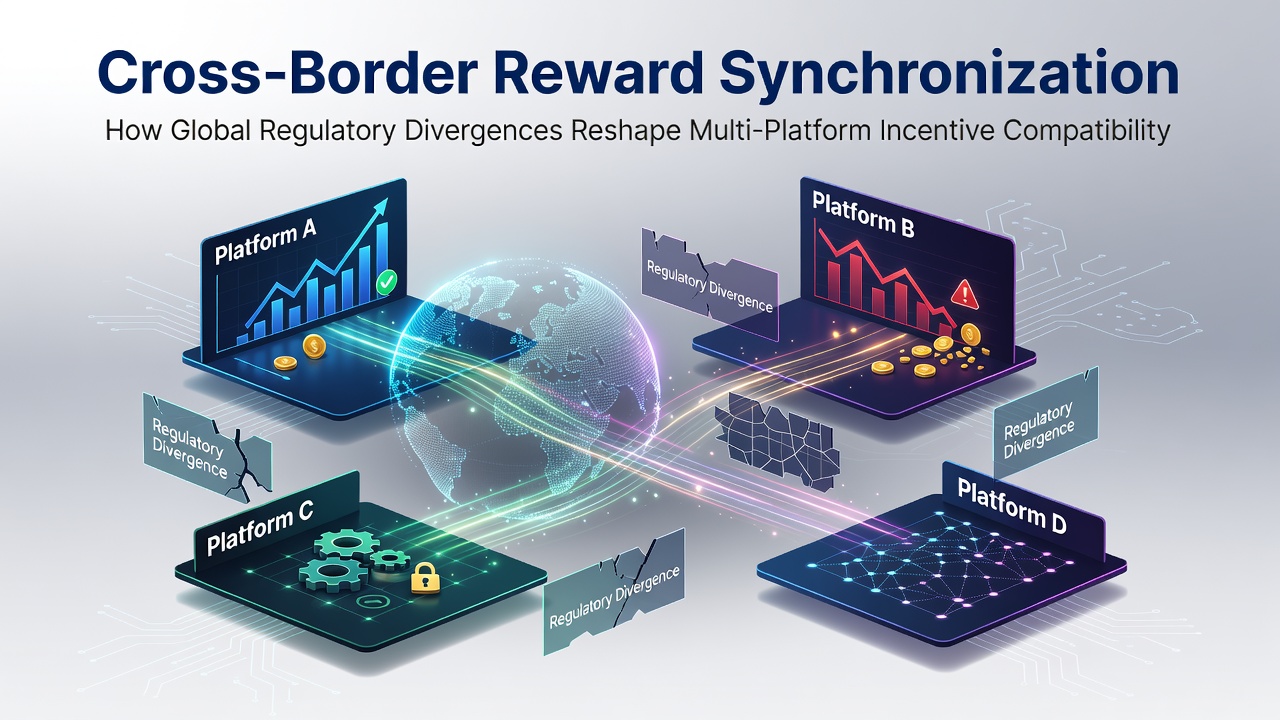
Regulatory frameworks governing digital gaming incentives continue to evolve at different rates across jurisdictions, and operators managing multi-platform reward systems must adapt their synchronization strategies accordingly. Data from industry reports indicate that variations in bonus structures, eligibility criteria, and payout mechanisms create compatibility challenges when users access services from multiple regions.
Understanding Cross-Border Reward Mechanics
Platforms offering incentives across borders encounter specific hurdles because each jurisdiction maintains distinct rules on promotional value calculations, expiration periods, and user verification standards. Research indicates that these differences often require separate tracking systems for rewards earned under one set of regulations versus another, which complicates unified user experiences. Observers note that synchronization efforts rely on algorithmic adjustments to match local compliance needs while preserving reward consistency for players who move between platforms.
Take one operator handling services in North American and European markets who discovered that currency conversion rules and tax implications differed enough to force separate reward ledgers. This setup prevents automatic transfers of bonus credits across borders without manual intervention or specialized software bridges. Studies from academic institutions have shown that such fragmentation affects retention rates when users encounter delays in accessing accumulated incentives.
Key Regulatory Divergences in Major Markets
North American frameworks emphasize state-level oversight in places like Nevada and New Jersey, where rules on incentive disclosures and responsible gaming limits vary from provincial approaches in Canada. European directives focus on consumer protection elements including mandatory cooling-off periods for certain promotions, whereas Australian guidelines prioritize transparency in sweepstakes-style rewards. These distinctions reshape how multi-platform systems calculate and deliver compatible incentives, since a bonus valid in one area may require adjustments to meet standards elsewhere.
North American and Canadian Approaches
State regulators in the United States have introduced updated guidelines on anti-money laundering checks tied directly to reward redemptions, and similar measures appear in Canadian provinces through their respective gaming authorities. Operators report that aligning these requirements across platforms involves real-time data sharing protocols to flag potential compliance issues before rewards activate. Figures from 2025 industry analyses reveal that such alignments reduced unauthorized cross-border redemptions by measurable percentages in participating networks.
What's interesting is how these rules interact with platform algorithms that personalize offers based on historical play data. When a user transitions from a U.S. state-regulated environment to a Canadian one, the system must recalibrate eligibility to avoid conflicts with local caps on promotional values.
Impact on Multi-Platform Compatibility in June 2026
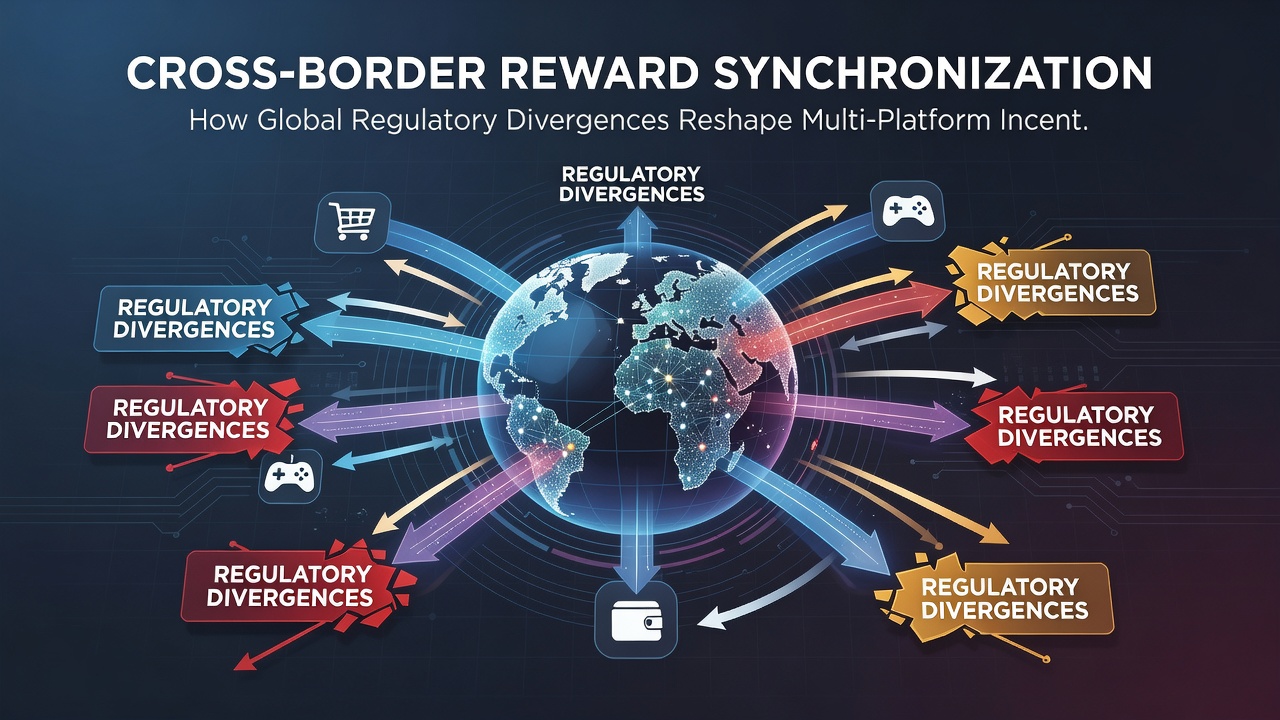
Updates scheduled for implementation around June 2026 in several Asian markets introduce new requirements for cross-border reward reporting, and these changes build on existing divergences already present in European and North American rules. Operators have begun testing synchronization tools that integrate with regional databases to ensure incentive compatibility without violating any single jurisdiction's standards. Data shows that early adopters of these tools experienced smoother transitions for users accessing rewards across multiple licensed platforms.
One case involved a network connecting services in Australia and select European countries where seasonal promotion rules differ significantly. The solution involved modular reward modules that activate based on detected user location and applicable regulations, allowing seamless credit transfers where permitted. Researchers at various universities have documented similar patterns in how these adaptations influence overall user acquisition metrics across digital spaces.
Technical Solutions and Industry Responses
Companies develop middleware layers to handle regulatory mapping, which translates incentive parameters from one framework into equivalents under another. This approach addresses issues like differing expiration timelines and activity thresholds that determine reward eligibility. Evidence from trade group publications suggests that platforms investing in such technology maintain higher levels of incentive compatibility even as rules continue shifting.
Turns out that collaboration between operators and regulatory bodies has produced shared standards in limited areas, particularly around basic user verification processes. These efforts reduce friction in reward synchronization, although full alignment remains elusive due to ongoing policy differences. Observers note that ongoing developments in 2026 will likely accelerate adoption of standardized APIs for cross-border data exchanges related to promotional activities.
Conclusion
Global regulatory divergences continue to influence how multi-platform gaming operators structure and deliver synchronized rewards. Adaptations in software, data management, and compliance protocols allow systems to navigate these variations while maintaining functionality for users across jurisdictions. Continued monitoring of policy changes remains essential as markets evolve through 2026 and beyond.