Mapping Out Exclusive Access Tiers Derived from Consistent Activity in Online Gaming Communities
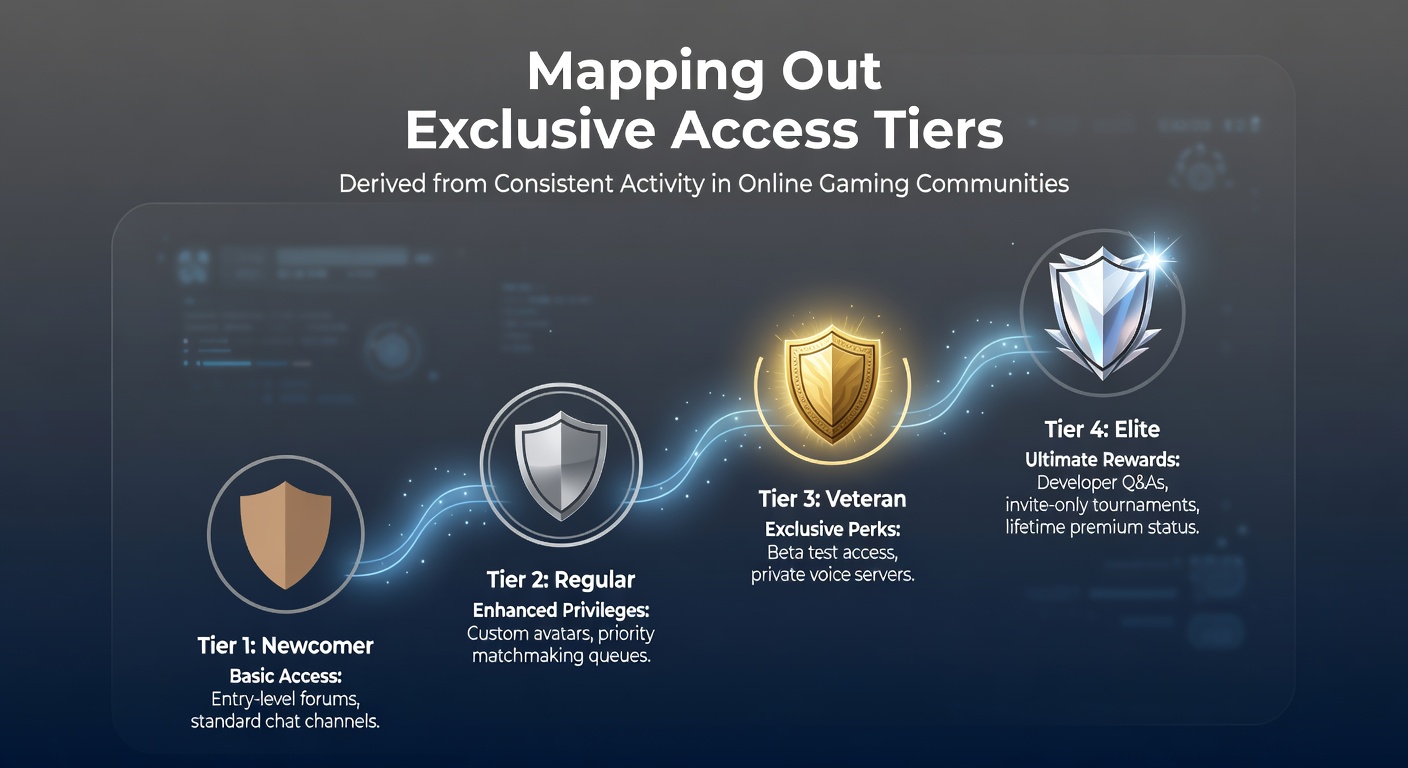
Online gaming communities build structured tier systems around consistent player engagement, and these frameworks track metrics such as login frequency, session duration, community contributions, and participation in events to determine eligibility for higher access levels. Platforms record activity data over weeks and months, then assign users to progressive tiers that grant entry to private forums, early game updates, and moderated discussion channels unavailable to lower ranks.
Core Metrics That Drive Tier Progression
Developers and community managers measure daily and weekly playtime alongside qualitative inputs like forum posts, event attendance, and peer endorsements, while algorithms convert these inputs into points that accumulate toward the next tier threshold. Observers note that platforms often publish transparent point tables so participants understand exactly how many hours or interactions separate one level from the next, and this clarity encourages sustained involvement rather than sporadic logins.
Seasonal resets occur at fixed intervals, yet accumulated history from prior cycles frequently carries forward as legacy status, allowing long-term members to retain certain privileges even after brief inactivity periods. Data from industry reports shows that communities incorporating both quantitative play metrics and qualitative social contributions achieve higher retention rates across all tiers compared with systems relying solely on hours played.
Regional Platform Examples and May 2026 Developments
North American sweepstakes-style platforms have expanded tier offerings in several states, and operators rolled out refreshed access structures during May 2026 to coincide with new state-level licensing rounds. These updates include dedicated mobile channels for tier-three members plus real-time leaderboards that display community standings without revealing personal financial details.
Canadian provincial regulators track similar activity-based programs through annual compliance filings, and figures reveal steady growth in the number of players reaching mid-tier status after six consecutive months of participation. European operators follow parallel models under varying national frameworks, whereas Australian state commissions require public disclosure of how activity data influences tier benefits.
Community Governance and Tier Privileges
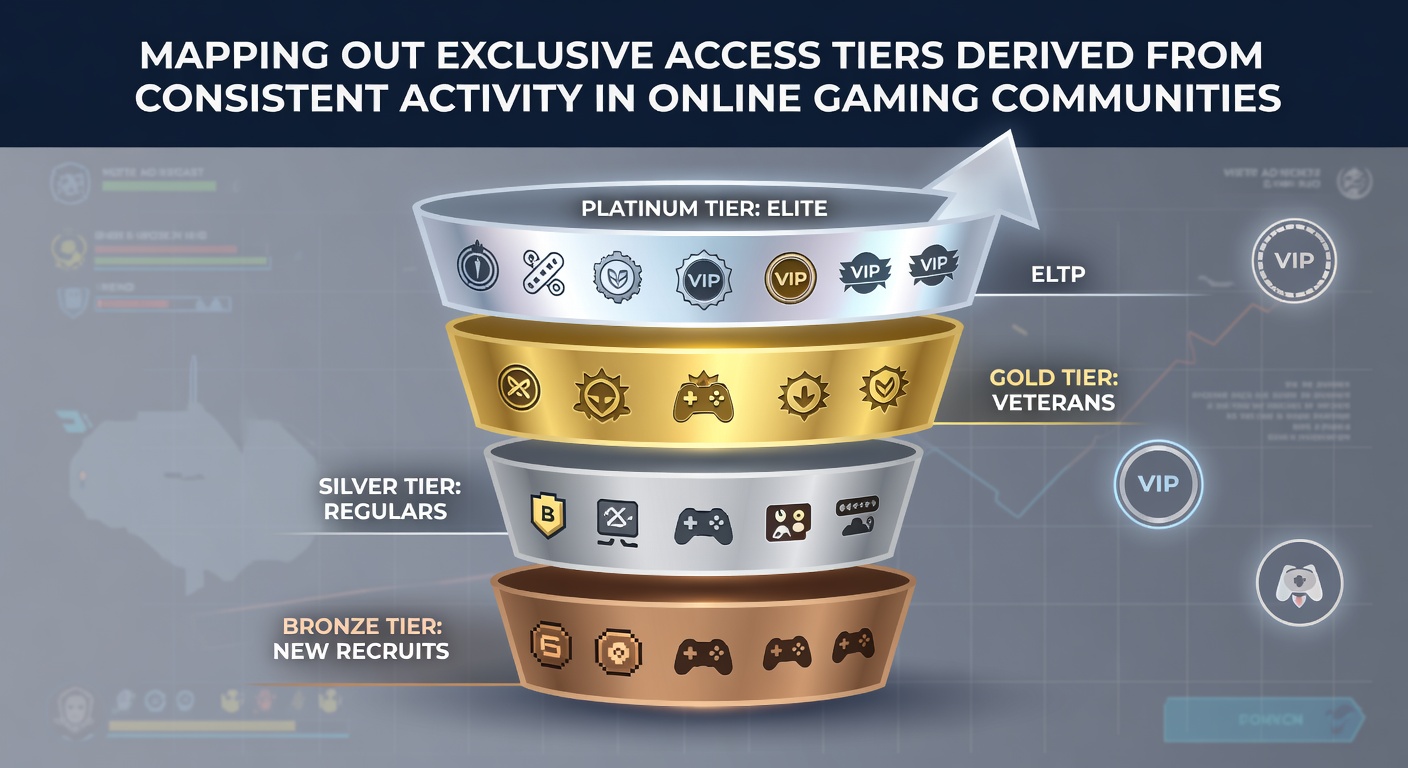
Higher tiers commonly receive voting rights on upcoming event formats, priority support queues, and invitation-only tournaments, while lower tiers maintain standard access to public lobbies and basic chat functions. Researchers discovered that granting governance input at upper levels correlates with increased overall platform stability because engaged members help moderate discussions and report technical issues faster than centralized staff alone.
Access to archived strategy guides, developer AMAs, and beta testing opportunities further differentiates tiers, and these resources remain gated behind minimum activity thresholds to ensure only active contributors benefit. Platforms publish monthly summaries that list how many users advanced or maintained their tier status, providing transparent benchmarks that new participants can reference when planning their engagement patterns.
Integration With External Data Sources
Academic studies from institutions such as the University of Nevada, Las Vegas, examine how tiered access influences long-term behavioral patterns within digital gaming environments, and findings indicate measurable differences in session length between tiered and non-tiered user groups. Trade associations including the European Gaming and Betting Association compile comparative reports across jurisdictions, allowing operators to benchmark their activity thresholds against regional averages.
One case study released by a research consortium in Ontario documented a 22 percent rise in daily active users after a platform introduced visible progress bars tied to tier advancement, demonstrating that clear mapping of activity requirements strengthens retention across demographic segments. These reports remain accessible through public regulatory portals and university repositories rather than proprietary operator channels.
Conclusion
Consistent activity continues to serve as the primary gateway to exclusive tiers within online gaming communities, and platforms refine their measurement systems each year to balance accessibility with meaningful progression. Regulatory updates scheduled for later in 2026 will likely require additional transparency around data collection practices, yet the core structure of tracking logins, contributions, and sustained participation shows no sign of replacement. Operators that publish clear advancement criteria and deliver tangible privileges at each level maintain stronger user loyalty metrics according to aggregated industry statistics.