Player Journey Mapping Redefines Incentive Delivery in Mobile-First Betting Environments
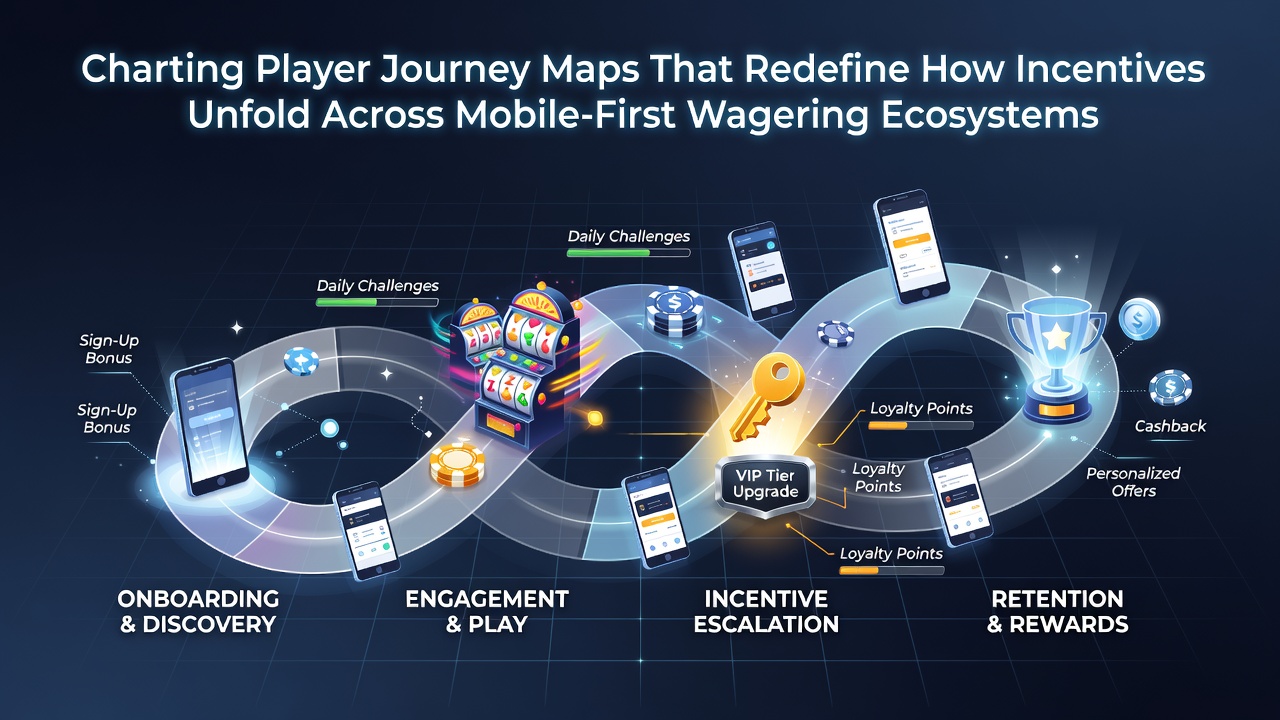
Player journey maps now serve as core frameworks that operators deploy to sequence incentives across mobile-first wagering platforms, and these structured pathways track user progression from initial download through sustained engagement while aligning reward triggers with behavioral milestones. Industry analyses indicate that such mapping techniques allow platforms to distribute bonuses, free spins, and deposit matches at precise intervals rather than relying on uniform schedules that once dominated promotional calendars.
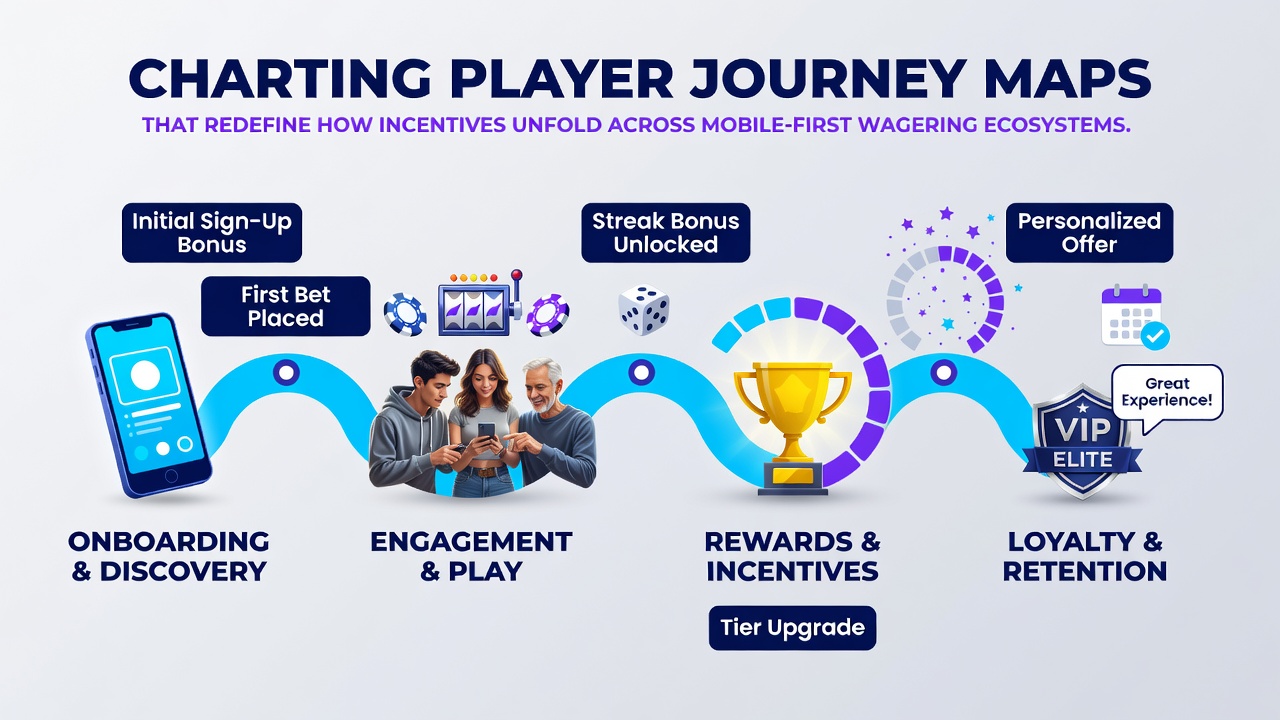
Researchers who examined platform data across multiple jurisdictions found that segmented journey stages typically include acquisition, onboarding, activation, retention, and reactivation phases, and each stage carries distinct incentive mechanics calibrated to observed play patterns. Mobile ecosystems in particular benefit from real-time data feeds that adjust offers based on session duration, deposit frequency, and game type preferences, according to reports compiled by the New Jersey Division of Gaming Enforcement.
Stage-Based Incentive Structures in Practice
Acquisition incentives often appear immediately upon app installation, yet operators refine these initial offers through journey mapping that incorporates device type, referral source, and geographic signals to personalize value propositions. Data compiled by the Australian Gambling Research Centre shows measurable lifts in first-deposit conversion rates when such targeted entry points replace generic welcome bonuses across several state-licensed operators.
Onboarding sequences then guide users through verification and tutorial modules, and incentives at this stage frequently include low-risk wager credits or loyalty point accelerators that encourage completion of profile setup. Observers note that platforms using mapped journeys report higher completion rates for identity verification steps compared with earlier flat-rate bonus models.
Real-Time Adjustments and Behavioral Triggers
Activation and retention phases rely on dynamic triggers that journey maps help define, including thresholds for consecutive login days, wager volume milestones, and diversification across game categories. These maps integrate with algorithmic engines that recalibrate incentive values based on individual risk profiles and lifetime value projections, as documented in studies released by the National Council on Problem Gambling in the United States.
June 2026 saw several North American platforms introduce updated journey frameworks that incorporated location-based triggers tied to live sports events, and these adjustments coincided with expanded mobile wagering availability in additional jurisdictions. Figures released by state regulatory bodies reveal corresponding increases in average session length when incentives align with live event timing.
Cross-Platform Data Integration
Operators increasingly merge journey maps with cross-device tracking systems that maintain continuity when users shift between mobile, tablet, and desktop environments, and this integration supports consistent incentive delivery regardless of access point. Research from the University of Nevada, Las Vegas International Gaming Institute highlights how unified data streams reduce friction in reward redemption and improve retention metrics across sampled operator cohorts.
Reactivation segments within these maps target lapsed users through tailored re-engagement offers that reference prior activity patterns, while regulatory frameworks in regions such as Singapore require clear disclosure of incentive terms during reactivation campaigns. Platforms that embed journey mapping into their compliance protocols demonstrate stronger alignment with responsible gaming guidelines issued by local authorities.
Measurement and Optimization Cycles
Continuous refinement of journey maps occurs through A/B testing frameworks that compare incentive sequences against control groups, and aggregated results feed back into map revisions on weekly or monthly cycles. Industry associations including the European Gaming and Betting Association have published guidelines that encourage operators to document these optimization processes for audit purposes.
Stakeholders who analyze longitudinal datasets observe that mapped incentive systems correlate with shifts in player lifetime value distributions, particularly when loyalty structures evolve from static tiers to fluid progression models. These evolutions remain subject to oversight by bodies such as the Alcohol and Gaming Commission of Ontario, which requires periodic reporting on promotional efficacy and player impact.
Conclusion
Player journey mapping continues to evolve as a foundational tool that reshapes how mobile-first wagering platforms orchestrate incentives across the full user lifecycle, and ongoing integration with regulatory reporting requirements ensures transparency in incentive design. Platforms that maintain detailed maps demonstrate capacity to align commercial objectives with compliance standards across diverse regulatory landscapes.