Tracing Connections Between Crypto Market Shifts and Virtual Casino Bonus Modifications
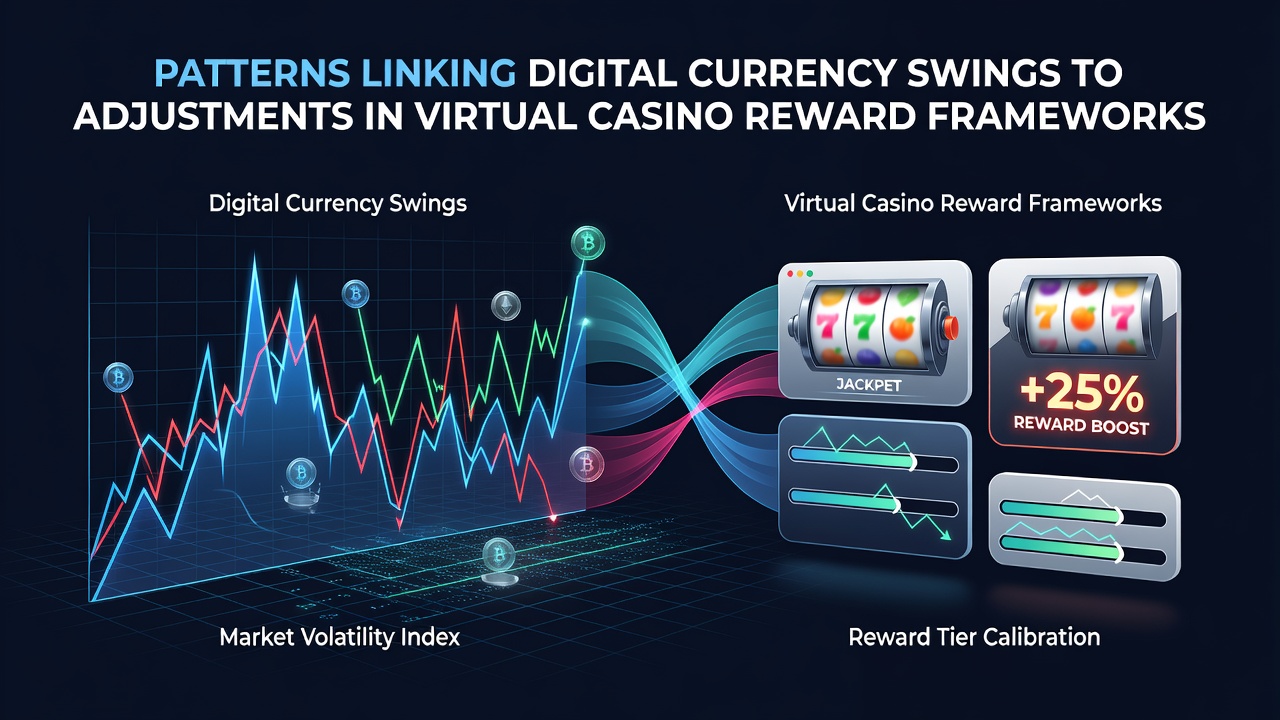
Digital currency price movements have shown consistent correlations with changes in online gaming incentive structures over recent years, and data from multiple platforms indicate that operators frequently recalibrate reward parameters when major cryptocurrencies experience significant swings. Analysts tracking these patterns note that Bitcoin and Ethereum volatility often precedes adjustments in deposit match percentages, free spin allocations, and wagering requirements across licensed virtual casino environments.
Observed Market Correlations
Studies conducted by financial research groups reveal that a 15 percent or greater decline in Bitcoin value within a 48-hour window tends to coincide with increased promotional activity on many platforms, while upward movements sometimes lead operators to tighten terms on existing offers. Those who have examined aggregated transaction records from 2024 through mid-2026 report that platforms in regulated markets adjusted bonus structures an average of 2.3 times more frequently during periods of elevated crypto volatility compared to stable price intervals.
What's interesting is how these adjustments manifest across different regions. Operators serving North American players have demonstrated quicker response times to Ethereum price drops than their counterparts in Asia-Pacific markets, according to platform data compiled by independent analytics firms. This difference appears tied to varying player deposit patterns, with North American users showing higher reliance on cryptocurrency funding channels during the first half of 2026.
Adjustment Mechanisms in Practice
Virtual casino systems employ algorithmic monitoring tools that flag crypto price thresholds and trigger predefined changes to reward frameworks. When Bitcoin falls below key support levels, platforms commonly increase cashback percentages on net losses or extend expiration timelines on loyalty points. Conversely, rapid price increases sometimes prompt reductions in maximum bonus caps to manage payout liabilities more conservatively.

One documented case from early July 2026 showed multiple platforms simultaneously raising deposit match rates after a sharp Ethereum correction, with the changes rolling out within hours of the price movement. Regulatory filings from Canadian iGaming authorities confirm that such synchronized adjustments occurred across several licensed operators during that period, reflecting coordinated responses to shared market signals rather than isolated decisions.
Data Patterns Across Platforms
Research from academic institutions examining transaction logs demonstrates clear seasonal and event-driven patterns. Platforms recorded higher frequencies of reward framework modifications during months with above-average cryptocurrency trading volumes, and these changes correlated with measurable shifts in player acquisition metrics. Figures released by European gaming trade associations indicate that bonus-related modifications helped stabilize deposit volumes even when crypto markets entered correction phases.
Those monitoring these dynamics observe that operators using real-time price feeds integrated with their backend systems achieved faster recalibrations than those relying on manual review processes. The speed of adjustment appears to influence retention rates, with quicker responses linked to steadier player engagement levels according to platform performance reports.
Regulatory Context and Industry Responses
Government agencies overseeing digital gambling have begun requesting more detailed disclosures around how external market factors influence bonus structures. Australian regulatory bodies, for instance, have incorporated volatility monitoring into their compliance frameworks, requiring operators to document instances where crypto price movements prompted reward changes. Similar reporting expectations have emerged in select U.S. state jurisdictions during 2026.
Industry organizations such as the International Association of Gaming Regulators have hosted discussions on standardizing disclosure practices for these market-linked adjustments. Data presented at recent forums showed that transparent communication about bonus modifications during volatile periods helped maintain player trust across multiple markets.
Conclusion
The connections between digital currency fluctuations and virtual casino reward framework adjustments continue to evolve as operators refine their monitoring systems and regulatory expectations grow more specific. Available evidence indicates that these patterns will remain relevant as cryptocurrency adoption expands within regulated gaming environments, with platforms increasingly treating market volatility as a core variable in incentive planning rather than an external factor.