Tracking Behavioral Adaptations in Tiered Reward Frameworks for Digital Wagering Sites
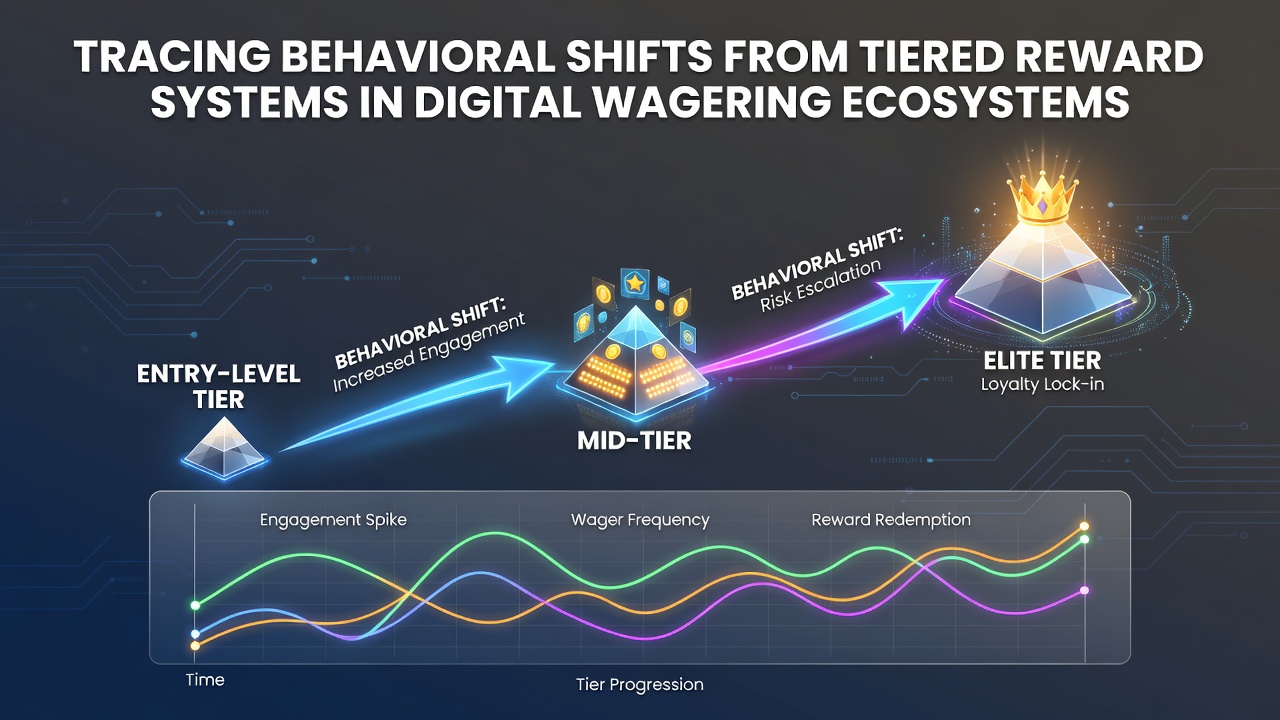
Digital wagering platforms have implemented tiered reward structures for years, yet recent platform data reveals distinct patterns in how users adjust their activity once these systems activate. Operators segment participants into levels based on deposit volume, session frequency, and total wagered amounts, then unlock escalating benefits such as cashback percentages, bonus eligibility, and personalized promotions at each stage. Observers note that entry into higher tiers often coincides with measurable changes in user routines across multiple operators.
Mechanics Behind Tier Progression
Most systems calculate tier status through rolling windows that track activity over 30 to 90 days, resetting or advancing points automatically when thresholds are met. Lower tiers typically offer standard reload bonuses and basic loyalty points, while mid-tier access adds faster withdrawal processing and dedicated account managers. Top levels grant event invitations, higher betting limits, and reduced house edges on select games. Data aggregated across platforms shows that users reaching mid-tier status increase average session length by 18 to 25 percent within the first month after promotion, according to internal metrics shared at industry forums.
Observed Shifts in Deposit and Play Patterns
Once users enter progressive tiers, researchers tracking anonymized transaction logs identify several consistent adjustments. Deposit frequency rises as participants aim to maintain or climb levels before reset periods, while average bet sizes per spin or hand tend to stabilize rather than escalate dramatically. One study of North American operators found that users in the second tier from the bottom maintained consistent weekly deposits 32 percent longer than those remaining at entry level over a six-month observation window. Activity also clusters around promotional reset dates, with login spikes documented in the final 48 hours of each cycle.
Regional Data Variations Emerging in Mid-2026
Regulatory filings from multiple jurisdictions highlight how tiered systems interact with local rules. Pennsylvania's gaming control reports released in July 2026 indicated that operators offering tiered cashback saw retention rates climb 14 percent year-over-year among users who reached at least the third tier. Australian market analyses, meanwhile, pointed to similar retention gains but noted tighter restrictions on advertising tier benefits to new registrants. These filings demonstrate that behavioral responses remain comparable across markets even when promotional language and bonus structures differ due to compliance requirements.
Retention and Churn Dynamics
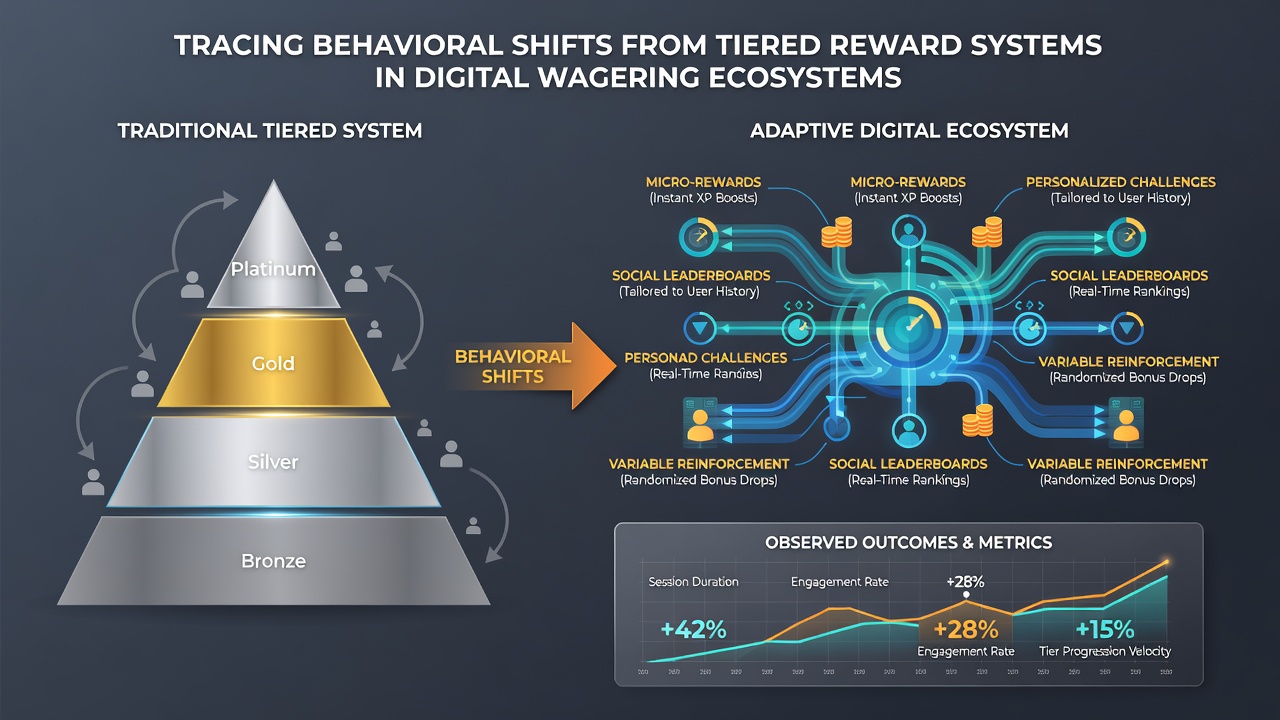
Platform operators track churn rates by tier status and report that participants who reach the second or third level exhibit lower departure rates than entry-level users. The difference appears most pronounced during the first 90 days after tier advancement, when continued access to elevated rewards provides ongoing incentive to remain active. Conversely, users who drop from a higher tier due to reduced activity often show accelerated departure patterns unless operators intervene with targeted recovery offers. Figures from Canadian provincial regulators illustrate that recovery campaigns aimed at recently demoted users achieve reactivation in roughly 41 percent of cases within 30 days.
Algorithmic Personalization and User Response
Many platforms now adjust tier thresholds and reward values dynamically based on individual play history rather than applying uniform criteria. This personalization produces additional behavioral layers, as users learn through trial which activities trigger faster advancement. Those who've studied engagement logs observe that participants frequently experiment with new game categories shortly after tier upgrades, particularly when operators highlight cross-category bonuses. Such experimentation tends to taper once users settle into established patterns that reliably maintain their current level.
Conclusion
Tiered reward systems continue to shape how participants allocate time and funds across digital wagering environments, with data from multiple regions confirming predictable adjustments in session length, deposit timing, and category exploration. As operators refine their algorithms and regulators release updated compliance guidance, these behavioral patterns are likely to evolve further while retaining core characteristics already documented in transaction records through July 2026.